


Meet our quality
services today
HDD Engineering & Consultancy Services for installation of underground utilities.
OUR SERVICES
Steps involved in HDD designing
- Identify the project goals and objectives
- Conduct a site assessment
- Select the drilling path
- Determine the drilling equipment
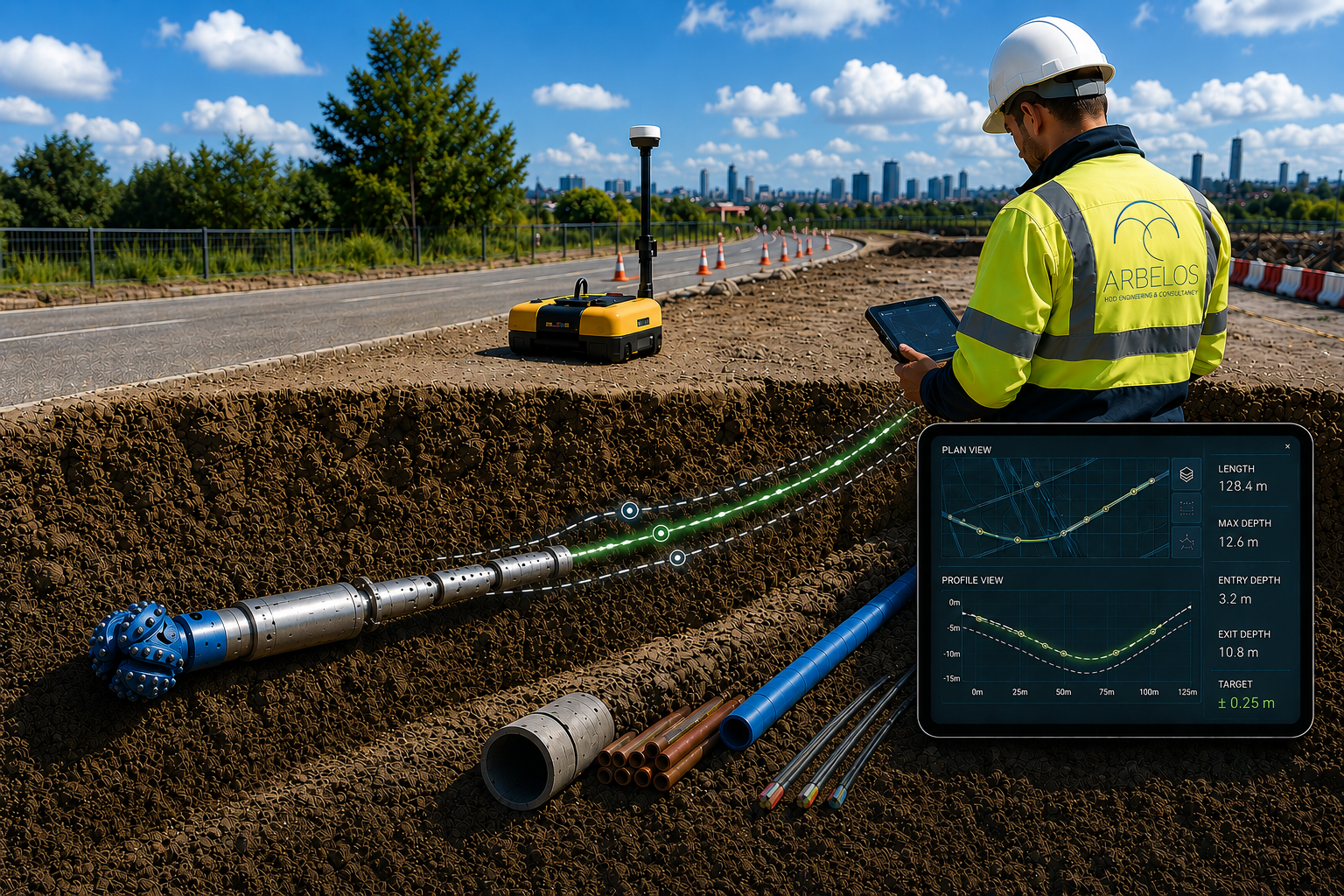
The first step in designing an HDD profile is to clearly define the goals and objectives of the project, including the type and size of the pipe or conduit being installed and the desired drilling path.
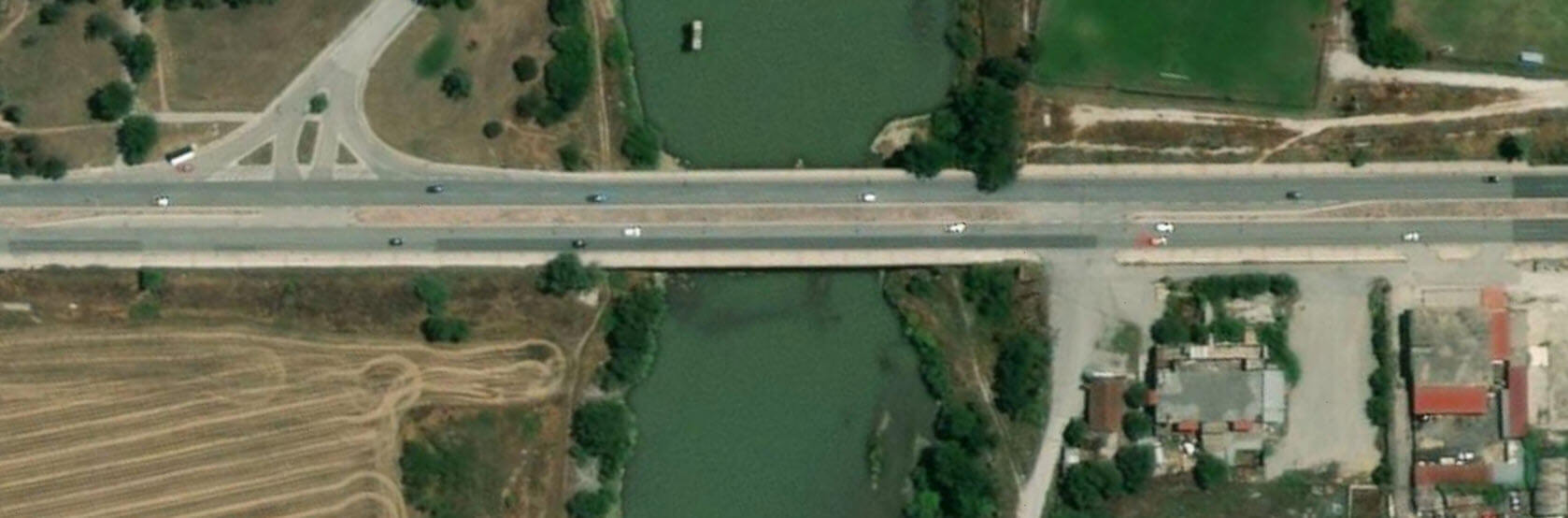
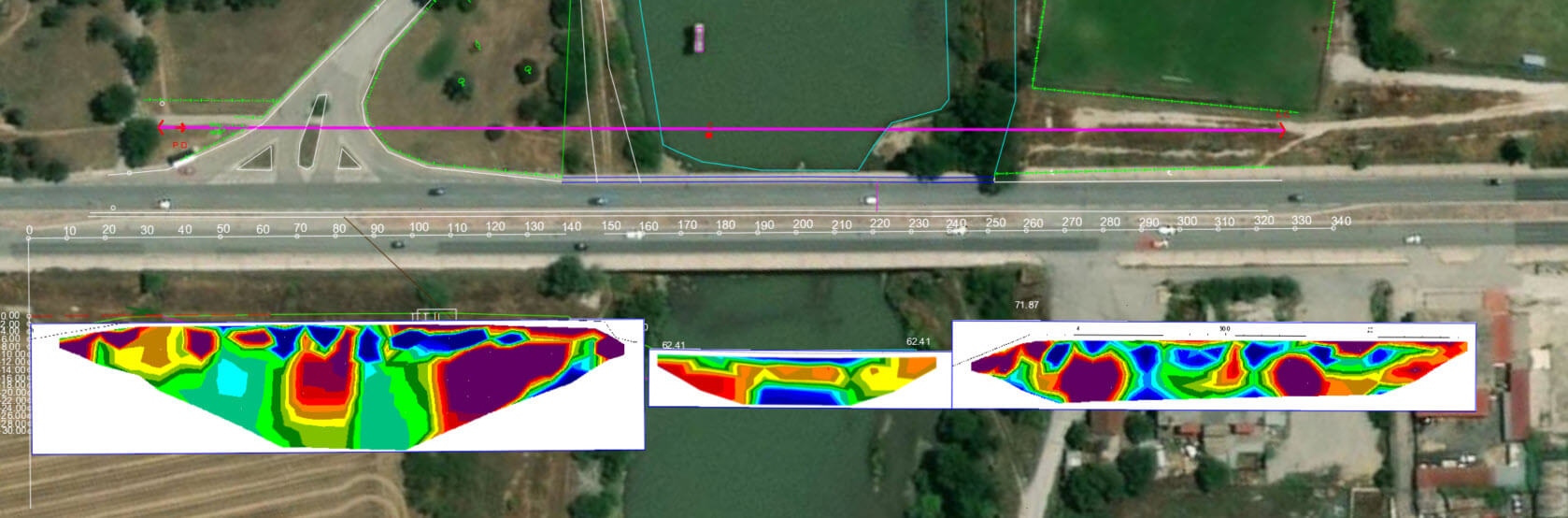
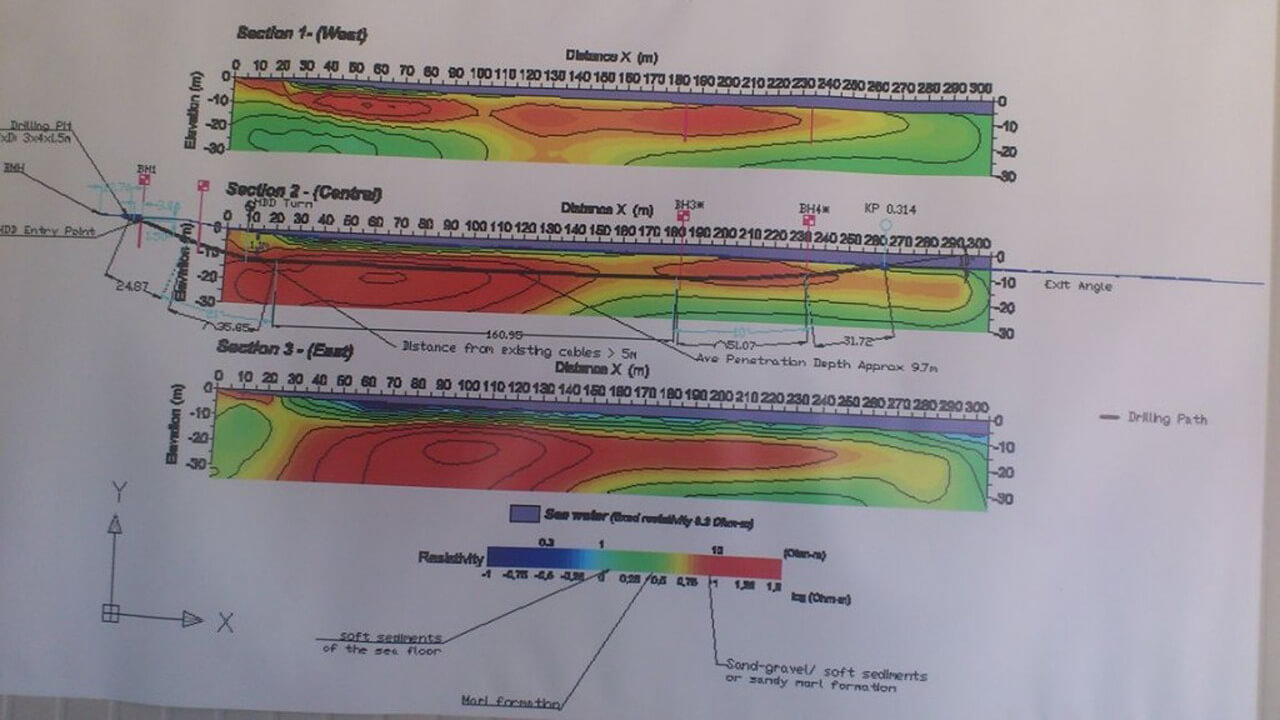
A site assessment is conducted to gather information about the subsurface conditions and any potential challenges or risks that may be encountered during the HDD process. This may include collecting soil and geologic data, performing subsurface testing, and identifying any potential hazards or obstacles that may impact the drilling process.
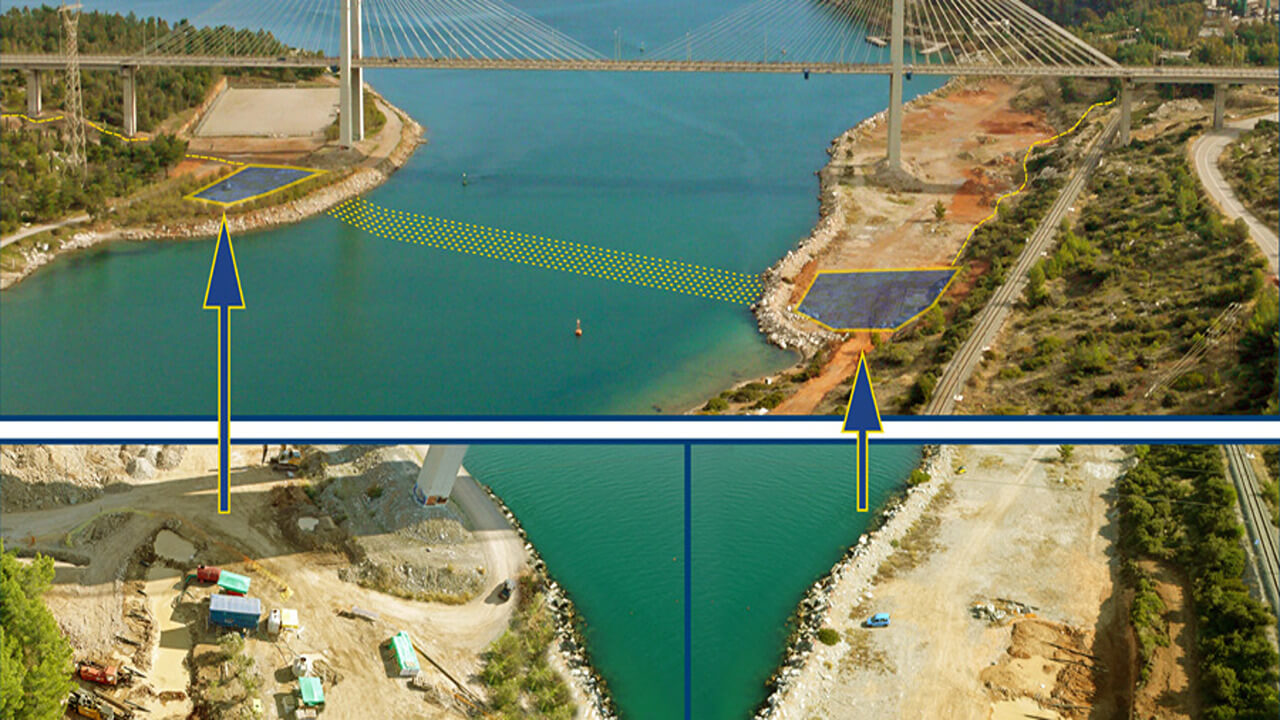
The drilling path is carefully planned to minimize any potential impacts on surface structures, landscapes, and ecosystems, and to ensure that the drill can be effectively navigated through the subsurface. The drilling path should also be designed to avoid any underground utilities or other obstacles.
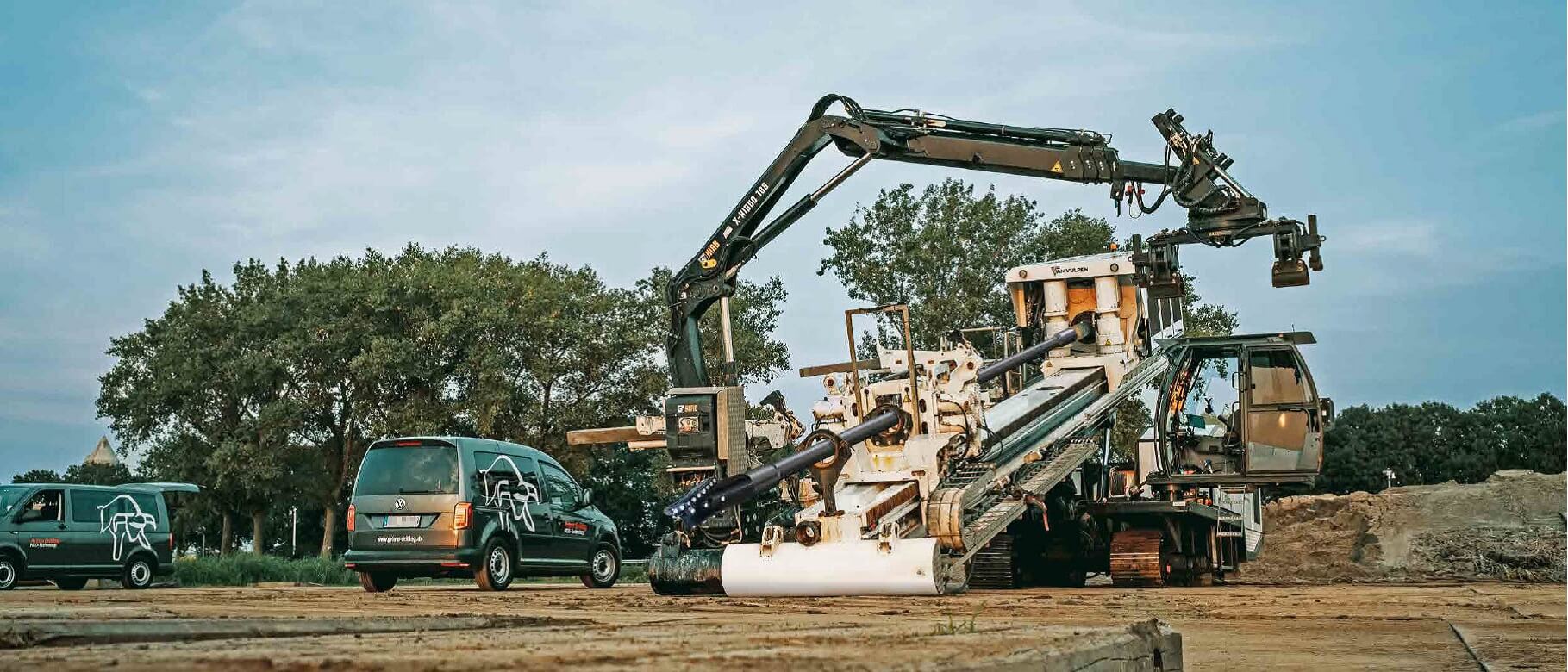
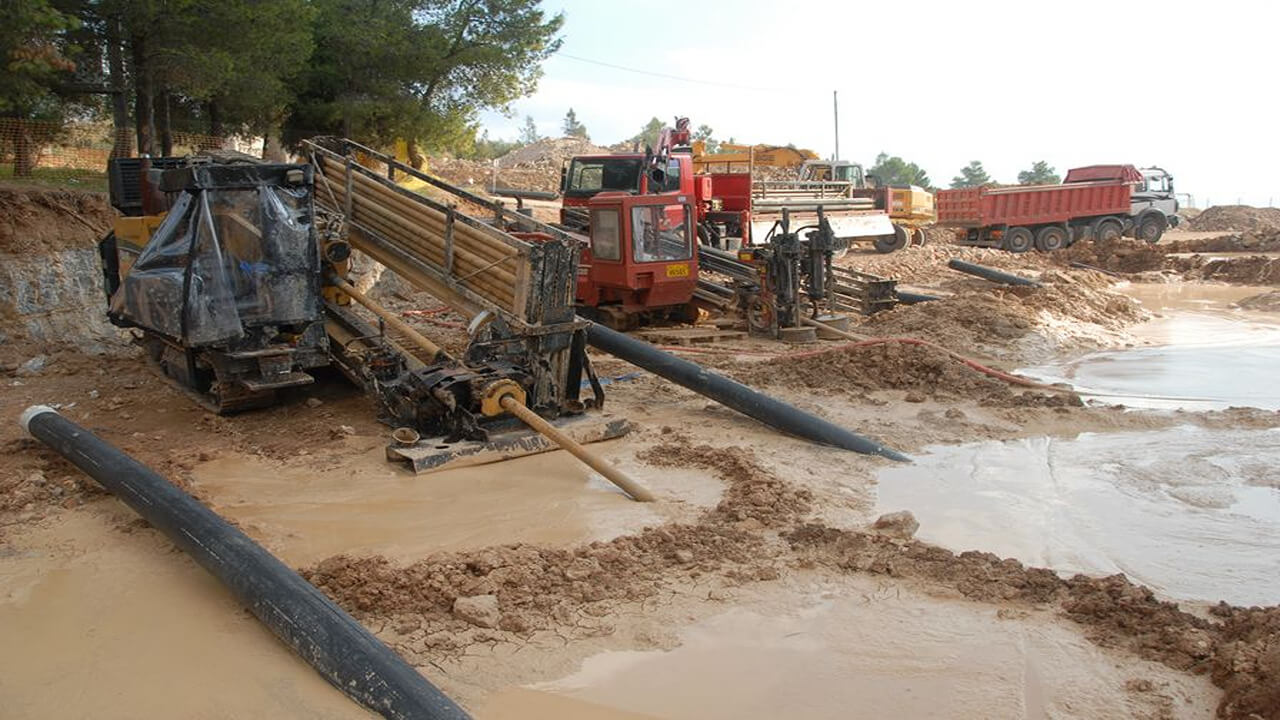
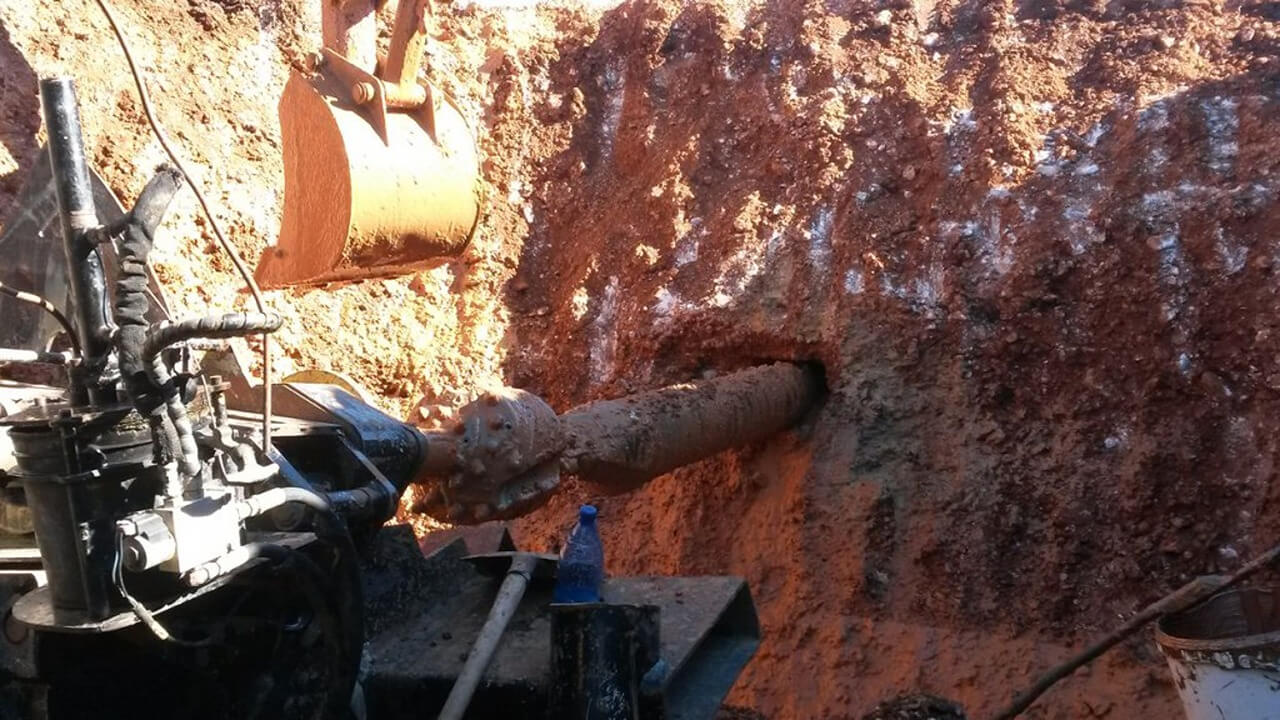
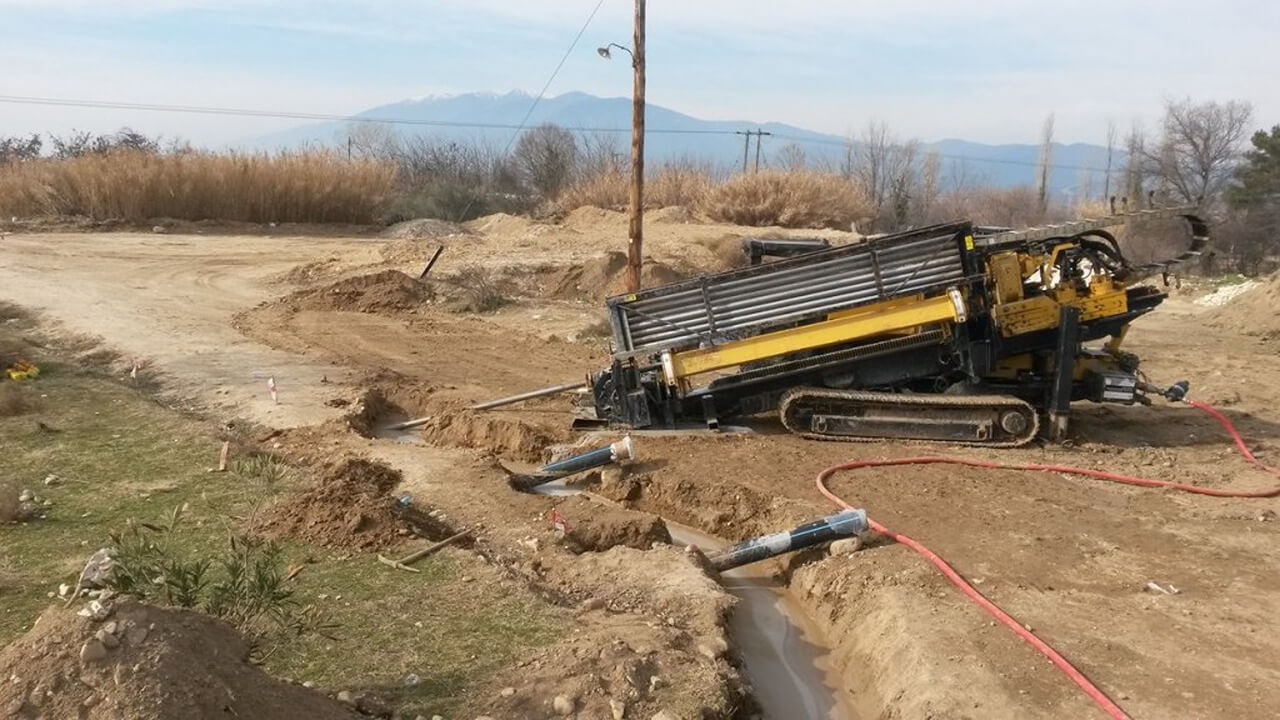
The type and size of the drilling equipment and materials required will depend on the size and complexity of the project and the subsurface conditions. It is important to carefully select the drilling equipment and materials to ensure that they are suitable for the project and capable of meeting the project's requirements.
Tailored Consultancy
- HDD Design Review & Validation
- Methodology Assessment
- HDD Data Review
- Risk Management & Decision Support
- Technical Advisory during Construction
Do you have questions and need to learn more?
57
Clients
served successfully, meeting their needs in HDD projects.
"Drilling Beyond the Surface"
with.......